Willa Schmid · 9 October 2026
Tracing the Development of Lumenport for Optimizing Data Flows in Remote Coastal Infrastructure Projects
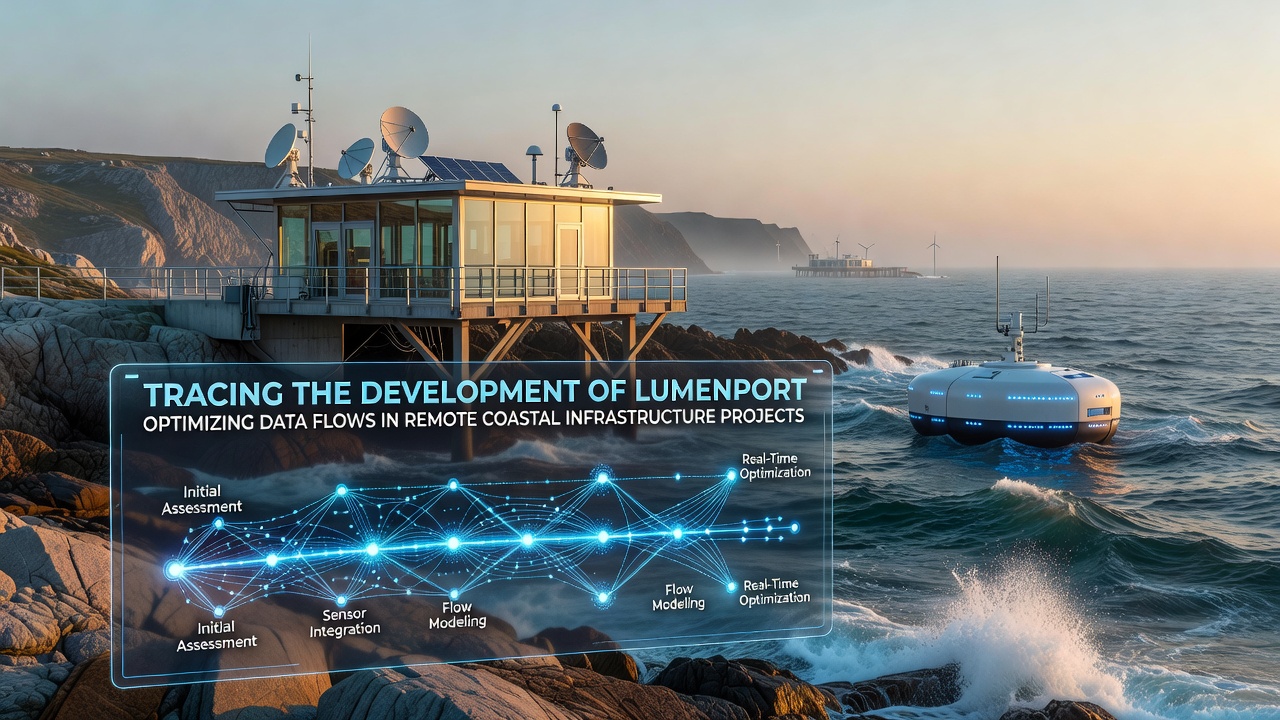
Development of Lumenport began in the early 2010s when coastal engineering teams sought better ways to manage high-volume sensor data from offshore platforms and marine monitoring stations, and initial prototypes combined fiber-optic extensions with adaptive routing protocols to handle variable signal conditions over long distances. Researchers at several institutions tested these systems in pilot sites along the Pacific and Atlantic coasts, where data latency often exceeded acceptable thresholds for real-time operations, while integration with existing satellite links proved essential for redundancy during weather disruptions.
Early Milestones in System Design
By 2015 engineers had refined the core architecture to prioritize edge processing nodes that filter raw inputs before transmission, and this approach reduced bandwidth demands by up to 60 percent according to field reports from multiple deployments. Those who studied bandwidth patterns in isolated zones noted that tidal and storm-related interference created predictable spikes, prompting the addition of dynamic load-balancing features that reroute traffic automatically. Data from Transport Canada infrastructure trials showed measurable gains in reliability when Lumenport modules coordinated with regional weather feeds, and similar patterns emerged in Australian coastal wind farm projects where operators tracked equipment performance across scattered sensor arrays.
Integration with Coastal Infrastructure
Implementation expanded during the late 2010s as project managers incorporated Lumenport into larger marine construction efforts, and the platform evolved to support multi-protocol environments that blend underwater acoustic links with terrestrial microwave connections. Observers documented cases where remote aquaculture facilities achieved continuous environmental monitoring once the system optimized packet prioritization for critical alerts over routine logs. What's interesting is how the framework adapted to power constraints common in off-grid locations, using solar-assisted repeaters that maintained steady throughput even when primary sources fluctuated, and studies from the Australian Institute of Marine Science confirmed these configurations sustained operations through extended low-light periods.
Technical Advancements and Performance Data
Subsequent iterations introduced machine-learning components that predict congestion based on historical flow records, allowing preemptive adjustments before bottlenecks form, and this capability proved valuable in regions with limited backhaul capacity. Figures from European Maritime Safety Agency evaluations indicate average latency reductions of 35 milliseconds in tested coastal corridors, while throughput consistency improved across seasonal cycles. Engineers further embedded encryption layers that meet international maritime security standards without adding significant overhead, and one deployment in Canadian Arctic outposts demonstrated stable connections despite extreme temperature swings that previously disrupted conventional networks.
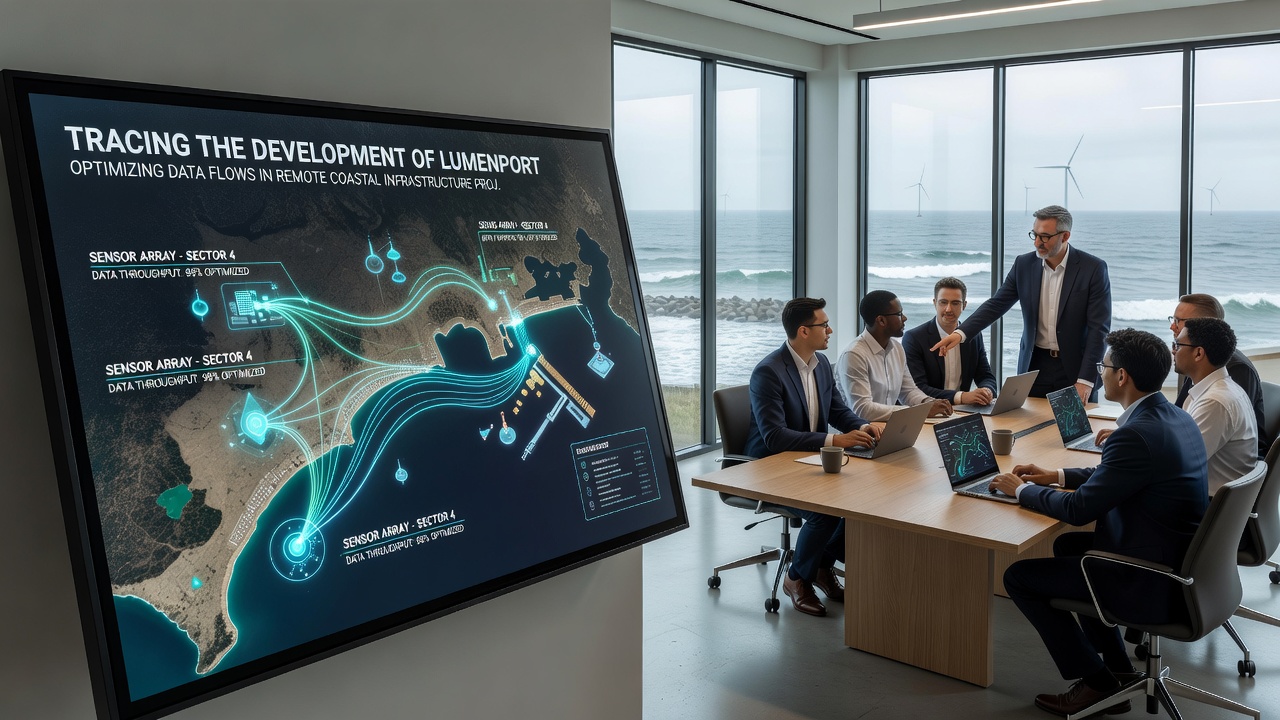
Additional refinements focused on scalability for expanding sensor networks, and modular hardware designs allowed incremental upgrades as new instruments came online. Researchers discovered that combining Lumenport with standardized data schemas simplified integration across vendors, reducing setup times from weeks to days in several documented projects. The reality is that these changes addressed both technical and logistical hurdles common to remote sites where physical access remains costly and infrequent.
Developments Leading into October 2026
Planning documents released ahead of October 2026 highlight upcoming expansions that incorporate quantum-resistant algorithms into the routing layer, and testbeds in the North Sea prepare to validate these updates against emerging threat models. Teams coordinating across multiple time zones use shared dashboards built on Lumenport foundations to synchronize maintenance schedules, and preliminary results suggest further efficiency gains when predictive analytics guide resource allocation. Academic papers from institutions in Japan and Norway detail comparative analyses that place Lumenport performance alongside alternative frameworks, revealing strengths in mixed-environment reliability that matter for long-term coastal infrastructure resilience.
Conclusion
Tracing these stages shows how Lumenport matured from targeted prototypes into a versatile platform that supports data optimization across diverse remote coastal settings, and ongoing work continues to refine its components in response to new operational demands. Evidence from successive trials demonstrates consistent progress in handling variable conditions while maintaining compliance with regulatory and security requirements, and the system's adaptability positions it for continued use in future infrastructure initiatives.