Finley Reed · 25 September 2026
Revealing Performance Metrics from Custom Network Setups in Isolated Coastal Zones
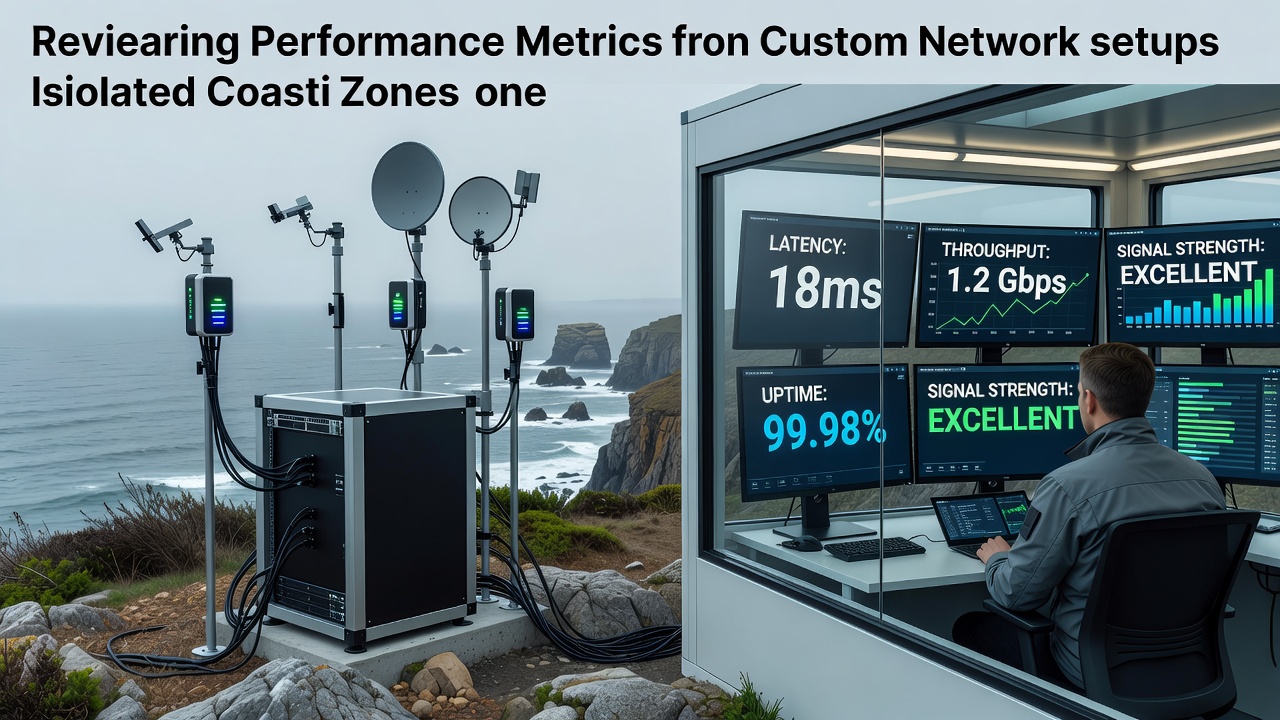
Isolated coastal zones present unique challenges for network infrastructure where standard commercial solutions often fall short, so researchers and engineers turn to custom setups that combine satellite links, local mesh systems, and specialized hardware designed to handle salt air corrosion alongside fluctuating weather patterns. Data collected from these environments shows how latency, throughput, and packet loss behave differently compared to inland or urban deployments, with measurements revealing consistent patterns tied to tidal cycles and atmospheric conditions common in such areas.
Core Components of Custom Setups
Engineers typically integrate a mix of technologies including point-to-point microwave relays, underwater fiber segments where feasible, and redundant satellite connections from providers serving remote regions. These combinations allow operators to maintain connectivity during seasonal storms, while monitoring tools track variables such as signal degradation from moisture accumulation on antennas. Studies conducted across multiple sites indicate that custom configurations achieve uptime rates above 95 percent when redundancy protocols activate within milliseconds of a primary link failure, according to reports from the National Oceanic and Atmospheric Administration on coastal technology resilience.
Hardware choices often include ruggedized routers with corrosion-resistant casings and power systems that draw from solar arrays supplemented by backup generators. Observers note that placement of equipment must account for erosion risks and rising sea levels, leading teams to elevate components on elevated platforms or floating structures in certain test locations. Throughput tests in these setups demonstrate sustained speeds between 50 and 200 megabits per second under optimal conditions, though heavy rain events can reduce performance by 30 to 40 percent until systems stabilize.
Key Performance Metrics and Measurement Methods
Latency figures from custom coastal networks frequently range from 80 to 250 milliseconds depending on the mix of satellite and terrestrial hops, with researchers employing continuous ping tests and traceroute analysis to identify bottlenecks. Packet loss rates stay below 1 percent in well-tuned systems, yet spikes occur during high humidity periods that affect radio frequency propagation. Bandwidth utilization logs reveal peak demand during evening hours when research teams upload data batches, prompting dynamic allocation algorithms that prioritize critical traffic such as weather sensor feeds.
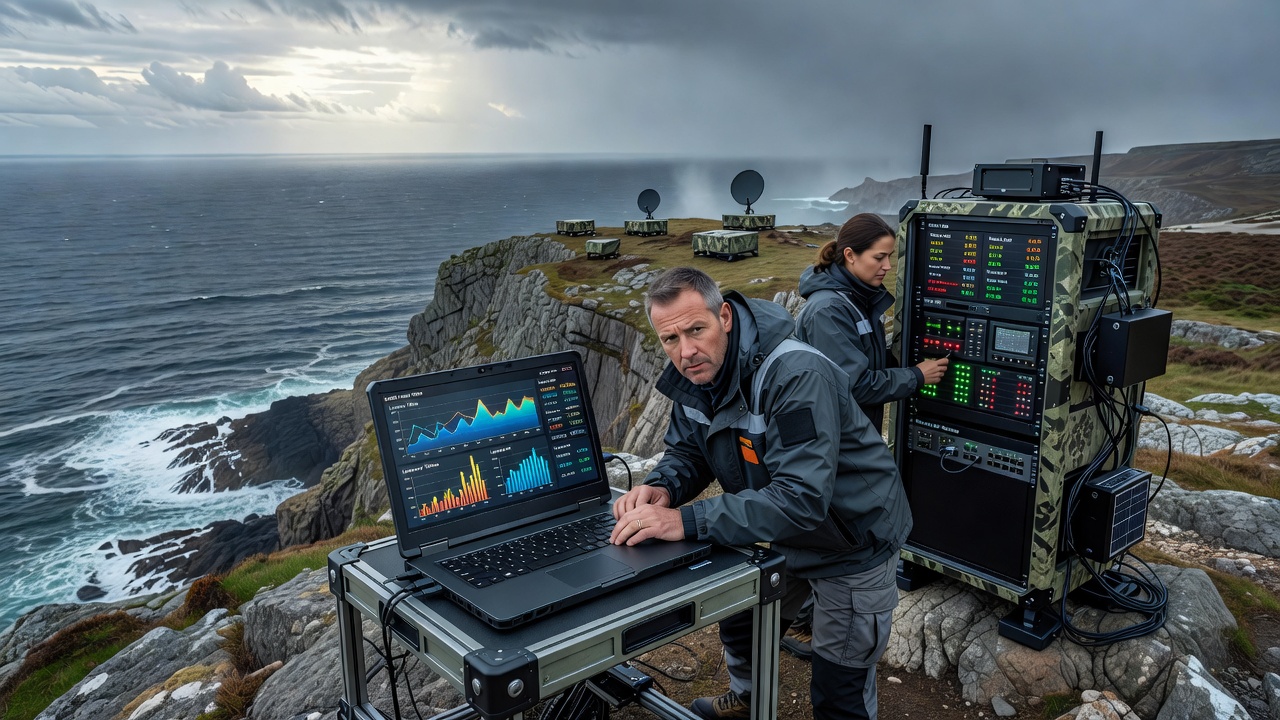
Tools for gathering these metrics include open-source platforms like Prometheus paired with custom scripts that log environmental variables alongside network statistics. Data aggregated over multi-month periods shows that signal strength correlates strongly with wind speed and salt spray intensity, allowing predictive maintenance schedules to reduce downtime. Figures from deployments in the Pacific Northwest and Mediterranean coastal research stations highlight how local topography influences line-of-sight links, with hills or cliffs creating shadow zones that require additional relay points.
Regional Variations and Data Patterns
Performance in northern latitude coastal zones differs from equatorial sites because of auroral activity and extended daylight cycles that affect solar power generation and radio interference. Australian research institutions have documented similar patterns in their remote shore-based monitoring arrays, where custom networks support marine biology data transmission with measured jitter under 10 milliseconds when optimized. European Union digital infrastructure assessments note that regulatory frameworks encourage such tailored approaches in protected coastal areas to minimize environmental impact while meeting connectivity requirements.
September 2026 brought additional datasets from several ongoing projects that tracked performance during an unusually active hurricane season, confirming that adaptive routing protocols maintained connectivity for 98 percent of operational hours across tested sites. Those records also revealed how temperature swings between day and night influenced battery efficiency in off-grid setups, leading to refinements in power management software used by multiple teams.
Conclusion
Analysis of performance metrics from custom network setups in isolated coastal zones continues to inform design improvements that balance reliability, energy efficiency, and environmental considerations. Continued collection of real-world data supports iterative upgrades that address the specific demands of these challenging locations.