Frankie Frank · 11 September 2026
Examining Bandwidth Optimization Techniques Through Advanced Port Integration Methods in Remote Locations
Remote locations present unique demands on data transmission systems because limited infrastructure often restricts overall capacity while users require reliable connections for essential services. Researchers have examined how advanced port integration methods combine multiple network ports to aggregate available bandwidth and researchers note that this approach distributes traffic across several channels at once which reduces bottlenecks that single-port configurations create. Data from regulatory bodies shows rural broadband gaps persist across large geographic areas and integration techniques address these gaps by enabling more efficient use of existing links rather than requiring entirely new infrastructure builds.
Core Principles Behind Port Integration
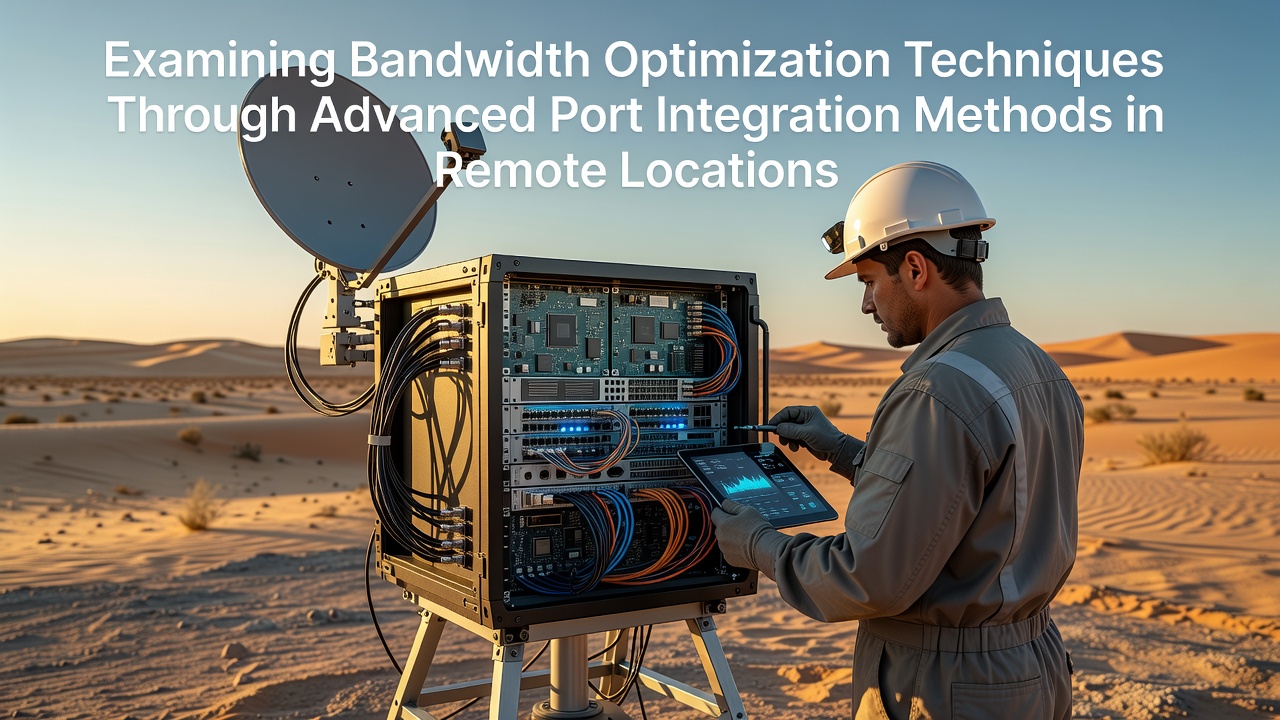
Port integration works by bonding separate physical or virtual ports into a unified pathway so data packets travel concurrently instead of sequentially and this method increases effective throughput because each port handles a portion of the load simultaneously. Observers note that protocols such as link aggregation control protocol manage the distribution automatically while failover mechanisms reroute traffic if one port experiences interruption. Studies indicate that remote sites using satellite backhaul benefit most from these techniques since satellite latency remains high and aggregation helps mask some delays through parallel transmission paths. Engineers apply similar methods in terrestrial microwave links where weather can degrade individual channels yet integrated ports maintain stable performance by shifting load dynamically.
Bandwidth Challenges Specific to Isolated Sites
Isolated facilities face constraints including high costs for dedicated lines and intermittent power supplies that affect equipment uptime and figures from government reports reveal that many remote communities rely on shared spectrum which creates contention during peak usage periods. Advanced integration counters these issues by allowing lower-cost consumer-grade connections to operate together as a higher-capacity virtual link and researchers have documented cases where combining four standard ports delivered performance comparable to a single leased line at a fraction of the expense. Those who manage networks in Arctic regions or desert outposts report that integration also supports redundancy because traffic reroutes automatically when environmental factors disrupt one pathway.
Implementation requires careful configuration of routers and switches to recognize bonded ports and software-defined networking tools simplify the process by applying policies centrally across distributed sites. Data shows that proper setup reduces packet loss rates because the system balances loads continuously rather than allowing one port to saturate while others remain underutilized. In practice this means video conferencing and telemetry feeds maintain quality even when individual connections fluctuate.
Techniques and Tools in Current Use
One established technique involves multi-path TCP which splits a single connection across several ports and paths so applications perceive a single reliable stream while the underlying system handles distribution. Research indicates this approach improves resilience in mobile remote scenarios where vehicles or vessels switch between cellular towers and satellite coverage. Another method uses virtual private network tunnels bonded at the port level which encrypts traffic while still allowing load balancing across channels. According to information from the Federal Communications Commission many rural deployments now incorporate these bonded configurations to meet minimum service standards without overbuilding physical plant.
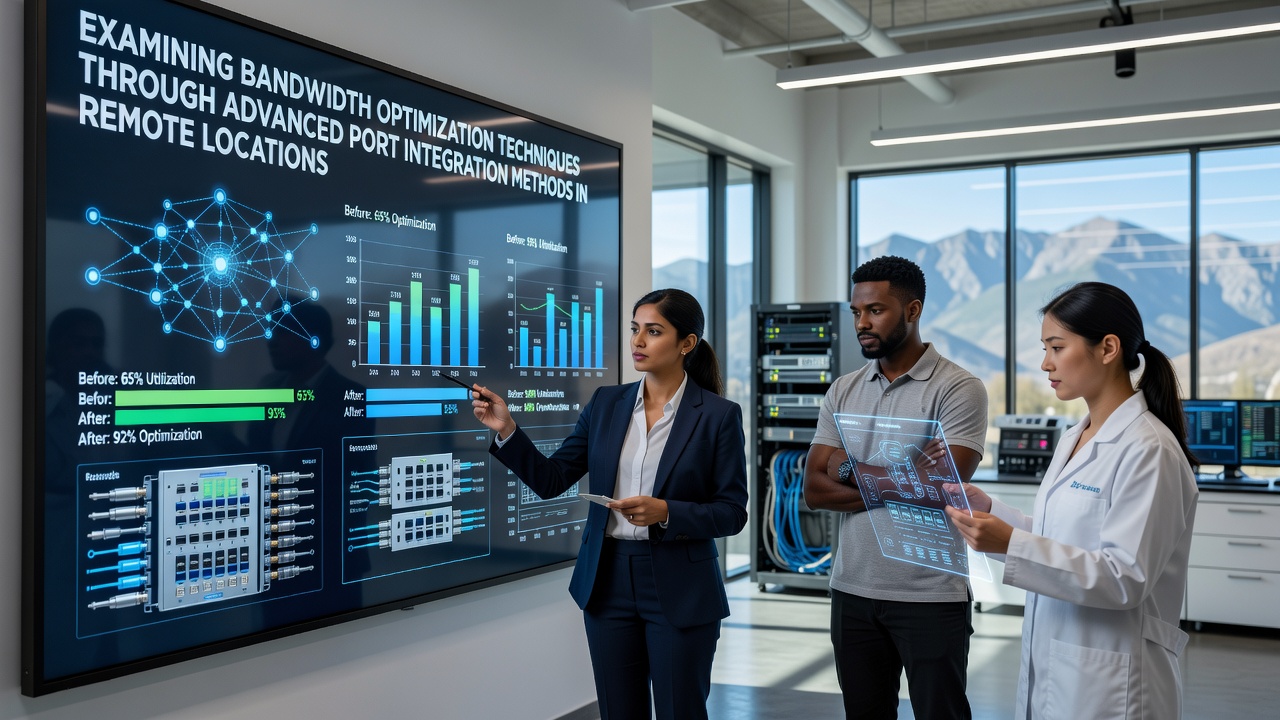
Hardware vendors supply specialized modules that support rapid port addition and removal and field technicians configure them through web interfaces that display real-time utilization metrics. Those managing large-scale remote operations often combine port integration with compression algorithms that further reduce data volume before transmission and the combined effect yields measurable gains in both speed and reliability. Evidence from industry deployments demonstrates that sites previously limited to 10 megabits per second achieved effective rates above 40 megabits after integration without changing the underlying carrier contracts.
Developments Expected by September 2026
Standards organizations continue refining protocols that support dynamic port discovery and automatic bonding across heterogeneous networks and these refinements are slated for broader adoption in September 2026 when updated specifications become available for equipment certification. Canadian regulatory records indicate ongoing trials of integrated port systems in northern territories where seasonal conditions challenge traditional infrastructure and results from those trials inform the upcoming specification changes. Observers expect remote energy installations and scientific outposts to adopt the refined methods first because those locations already rely on mixed satellite and terrestrial links that benefit directly from advanced bonding.
Measured Outcomes from Deployed Systems
Performance metrics collected after integration projects show consistent improvements in both average throughput and connection stability and one documented installation at an Australian mining site recorded a 65 percent reduction in dropped sessions after bonding four cellular ports with a satellite backup. University researchers tracking similar projects note that energy consumption per transmitted gigabyte also declines because ports operate closer to optimal efficiency rather than idling or overloading. These outcomes hold across varied climates because the core logic of traffic distribution adapts to whatever ports remain available at any moment.
Security considerations receive equal attention during implementation because aggregated ports expand the potential attack surface and administrators apply encryption uniformly across all bonded channels to maintain protection levels equivalent to single-port setups. Regular audits verify that failover functions operate correctly and logs confirm that traffic redistribution occurs within milliseconds of any detected fault.
Conclusion
Advanced port integration methods provide remote locations with practical tools for maximizing existing bandwidth resources and the techniques continue evolving as standards bodies prepare updates scheduled for September 2026. Data from multiple regions demonstrates measurable gains in throughput and reliability when ports operate as coordinated units rather than isolated connections. Continued monitoring of deployed systems supplies additional evidence that these approaches scale effectively across different network types and geographic conditions.